The axis of the mouth and intestines: the link between the microbiome and systemic inflammation
In the past decade, it has been revealed that the human microbiome is not a local phenomenon, but a systemic and dynamic ecosystem that connects the mouth, gut, skin, and immune system into a single integrated network. The oral microbiome serves as the primary barrier in this network — the "antechamber of the digestive tract," where the immune system first interacts with the environment.
“The human body is a marvelous system of interactions where all processes are interconnected. I have treated oral diseases for decades based on overall health. The various health tests and analyses we use allow us to detect deviations and their extent early on, and to respond adequately.”
New studies have shown that oral health disorders (e.g., periodontitis, gingivitis, and dry mouth) are strongly associated with intestinal dysbiosis, chronic inflammatory diseases, and metabolic syndrome.
1. Physiological Connection of Oral and Gut Microbiomes
• The mouth hosts more than 700 microbial species, some of which continuously travel with saliva into the gastrointestinal tract.
• Several of these, such as Porphyromonas gingivalis, Fusobacterium nucleatum, Treponema denticola, and Prevotella intermedia, are able to colonize the distal intestines, where they affect the immune system and the integrity of the mucosal barrier.
• Fusobacterium nucleatum has been identified in colorectal cancer tissues, indicating direct oral-gut migration (Kostic et al., Science Translational Medicine, 2013).
2. Inflammatory Signaling Pathways
Periodontitis triggers systemic inflammation mediated by cytokines such as IL-1β, IL-6, TNF-α, and CRP. These molecules:
• increase intestinal epithelial permeability (“leaky gut”),
• change the composition of the microbiome,
• promote autoimmune reactions, and
• amplify metabolic inflammation (Diabetes, atherosclerosis, NAFLD).
The same mechanism also works in reverse:
• Gut lipopolysaccharides (LPS) and endotoxins enter the bloodstream,
• reach the oral tissues, and
• cause hyperreactivity of gingival fibroblasts and alveolar bone resorption (Hajishengallis, Nature Reviews Immunology, 2020).
3. Microbiome Translocation and “Oralization of the Gut”
New metagenomic studies (Yamashita et al., Cell Host & Microbe, 2022) have shown that certain oral microbes can live and reproduce in the colon, especially when the gut environment has changed (e.g., due to antibiotics, stress, or a high-fat diet).
• This phenomenon – oralization of the gut – causes a shift in the immune response towards a Th17-dominance, promoting chronic inflammation and autoimmune processes.
• Gingipains produced by P. gingivalis degrade proteins and alter barrier function, allowing systemic spread of microbes.
4. Fungi and Viruses – From Mouth to Gut
In addition to bacteria, oral fungi and viruses also play a role:
• Candida albicans can simultaneously colonize both the oral mucosa and the intestine, causing dysbiosis of the microbiome and immunological activation.
• Epstein–Barr virus and herpes viruses, which remain latent in the oral mucosa, are associated with activation of gut-associated lymphoid tissue and the onset of autoimmune diseases (Yoshida et al., Frontiers in Immunology, 2021).
5. Diagnostic Integration
The following tests can be used to assess the systemic oral-gut axis:
• aMMP-8 (active matrix metalloproteinase 8) – a marker of gingivitis activity and systemic collagen degradation.
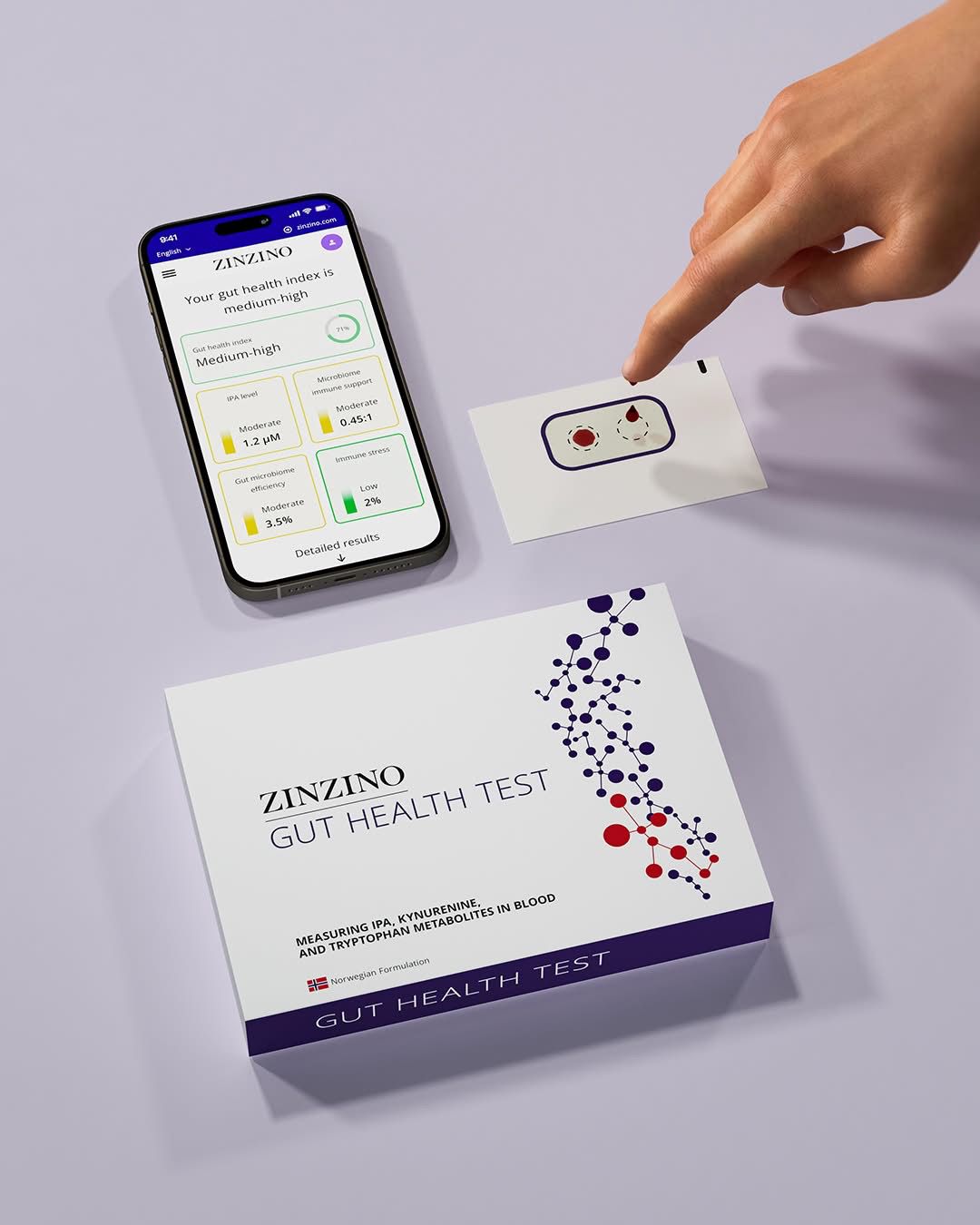
• Zinzino Gut Health Test – assesses the functional balance of the gut microbiome and its impact on the immune system.
• Omega-3 index, vitamin D levels, hs-CRP – indicators of systemic inflammation and membrane integrity.
Together, these biomarkers allow evaluation of the origin of the inflammatory response – whether it is primarily from the mouth, the gut, or both.
6. Clinical Associations and Systemic Diseases
Systemic Disease
Main Mechanism
Supporting Research
Diabetes/ Oral microbiota's inflammatory burden increases insulin resistance and glucose levels/ Preshaw et al., Diabetologia, 2012
Atherosclerosis
P. gingivalis /DNA found in atheromatous plaques/ Reyes et al., Circulation, 2017
Colorectal cancer/ F. nucleatum increases tumor cell proliferation
/ Kostic et al., Science Translational Medicine, 2013
Alzheimer’s disease/ Neurotoxic effects of gingipains in the brain/
Dominy et al., Science Advances, 2019
7. Treatment and Prevention Strategies
• Local inflammation control: professional cleaning, ozone therapy, PRF, and biological disinfection.
• Systemic support: Omega-3, vitamin D, pre- and probiotics, polyphenols (e.g., green tea catechins).
• Dietary role: low-sugar, anti-inflammatory, and fiber-rich diets that support butyrate production in the gut.
• Regular monitoring: aMMP-8 and Gut Health test every 6–12 months.
Conclusion
Oral and gut health are a bidirectional and dynamic relationship centered on the harmony of microbes, the immune system, and epithelial barriers.
Periodontitis and intestinal dysbiosis are different manifestations of the same systemic inflammatory process.
Integrative diagnostics and a biological approach allow for the identification and treatment of the root causes of inflammation – not just the symptoms.
References:
1. Kostic AD et al. Science Translational Medicine, 2013.
2. Hajishengallis G et al. Nature Reviews Immunology, 2020.
3. Yamashita Y et al. Cell Host & Microbe, 2022.
4. Dominy SS et al. Science Advances, 2019.
5. Preshaw PM et al. Diabetologia, 2012.
6. Yoshida N et al. Frontiers in Immunology
Author: Dr. Meeme Luks, MSc (Restorative Dentistry, University of Helsinki)